Utrecht, Netherlands: Craft Beer Mills, Bar Churches & Canal Life
Discover Utrecht's hidden bars in churches, a 17th-century windmill brewery, and canal-side gems. Your honest guide to the Netherlands' coolest city.
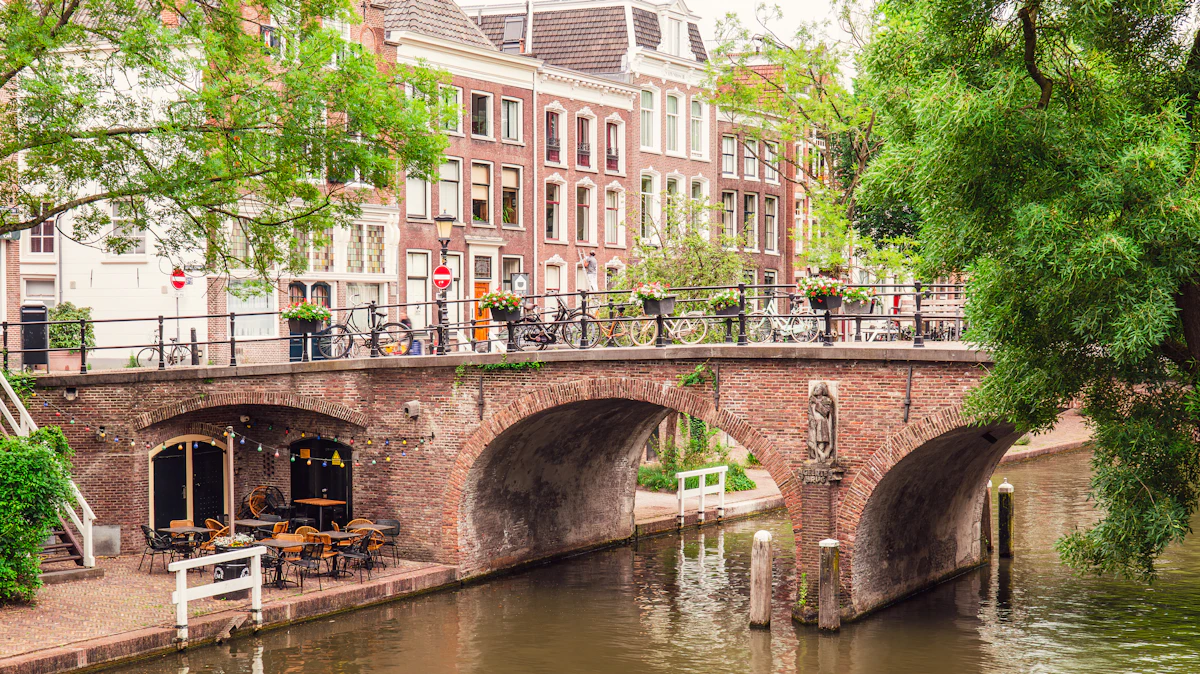
I stepped off the train at Utrecht Centraal with a backpack and a plan to spend exactly one day here before continuing on to Amsterdam. That was three years ago. I ended up staying four days. Not because I got lost (okay, I did get lost once, wandering around the Wittevrouwen neighborhood at 11pm looking for a bar someone had scrawled on a napkin for me), but because Utrecht has this quiet way of pulling you in before you even realize it's happening. It doesn't shout. It doesn't chase you down with flyers and tour packages. It just sits there, with its canals sitting lower than any other city in the Netherlands and its waterside terraces practically at water level, waiting for you to slow down and join it.
Utrecht is one of the most genuinely interesting cities in the Netherlands for curious travelers: bars inside converted churches, a working windmill that produces seasonal craft beer, and a cultural scene that hums along perfectly fine without Amsterdam's cruise-ship crowds. The best part? You can do it comfortably on $30 to $60 USD per day if you're smart about it.
A few things to know before we dive in:
- Utrecht's canals sit significantly lower than street level, which created a one-of-a-kind architectural situation where medieval cellars along the waterfront were converted into restaurants and canal-side terraces
- At least four bars operate inside repurposed religious buildings, with Café Olivier being the most well-known
- Molen de Bok is a 17th-century windmill that still operates and produces small-batch seasonal beers you can buy on-site for around $4-5 USD a bottle
- The entire historic center is walkable; you only need an OV-chipkaart (the Dutch transit card) if you want to explore outlying neighborhoods
- Best time to visit: May through June and September. July and August work fine, but prices jump and the crowds are noticeably heavier
Utrecht Is Not "Amsterdam Lite" (Thank Goodness)
I'm going to push back against pretty much every travel blog that covers Utrecht here. Most of them pitch it as a quieter, less touristy version of Amsterdam, a place to escape the crowds while still getting that Dutch canal fix. And sure, it has canals. It has bikes everywhere. It has that classic Dutch red-brick architecture. But framing it as Amsterdam's little sibling actually does Utrecht a serious disservice.
Utrecht has its own identity, one that Amsterdam honestly lost about two decades ago. Utrecht University, one of the largest in the Netherlands, has been shaping this city for centuries. You feel that in the philosophy cafes, the secondhand bookshops that smell like old paper and espresso, and the sheer number of music and theater festivals running year-round. This is a city with real student energy, not the Instagram-ready, curated kind.
When I first arrived, I expected something like Amsterdam with the volume turned down. I was wrong. Utrecht beats Amsterdam on several counts. I can't give you official statistics on which city travelers prefer, but I can tell you that out of the six people I met at Strowis Hostel (genuinely one of the best hostels in Europe, and I'm not alone in saying that), four had already been to Amsterdam and every single one of them said Utrecht was the better experience.
Utrecht's Wildly Unique Bar Scene
Let's start with what the organized walking tours won't tell you.
Café Olivier is the one you have to see first. It operates inside a 19th-century Belgian church right in the heart of the historic center. The original nave is completely intact: stone columns, stained glass windows, gothic arches. They serve Belgian abbey beers and solid pub food underneath it all. I sat there with a Duvel under a stained glass window depicting some saint I couldn't identify, and the combination of filtered afternoon light and a perfect head of foam on that glass was almost absurdly picturesque. Budget around $4 to $5 USD per beer, which is pretty standard for the Netherlands.
But the place that genuinely stopped me in my tracks was Winkel van Sinkel, a neoclassical building that started life as a 19th-century general store and is now a cafe, bar, and event space. The imposing columned facade does not prepare you for the interior, which somehow manages to blend historic architecture with modern design without feeling forced or pretentious. On Sundays they do a brunch with a DJ. Yes, brunch with a DJ inside an 1839 grocery store.
There's another spot that takes a little more effort to track down: Lokaal, in the Lombok neighborhood, which serves local craft beers inside what used to be an industrial warehouse. No obvious signage, minimal social media presence. I found it because a local mentioned it while we were both waiting at a crosswalk. The lesson Utrecht keeps teaching you is that its best bars don't advertise.
Molen de Bok: Drinking Craft Beer 100 Feet in the Air
If you could only visit one place in Utrecht beyond the canals, I'd tell you to make it this one. Molen de Bok (also called De Bok) is a 17th-century windmill that is still fully operational. It's located in the Wittevrouwen neighborhood, about a 20-minute walk from the center. Entry costs around $4 to $5 USD.
What makes it genuinely special is that for the past several years it's been collaborating with local craft brewers. During certain times of year they produce small-batch seasonal beers using the windmill itself as part of the grain-milling process. The quantities are limited. They're not always available. When they are, you can buy them directly at the mill.
I visited on a Saturday in September. The miller, a guy probably in his early 60s with enormous hands and an accent I couldn't quite place, walked me through the milling process with patience and a dry sense of humor about tourists who confuse Dutch windmills with the ones from Don Quixote. He brought it up first, which I appreciated.
Standing near the top of the mill with the wooden sails turning just outside the window is a surprisingly thrilling experience. There's a physical intensity to it that you don't expect from a centuries-old flour mill. The walk from the city center is absolutely worth it.
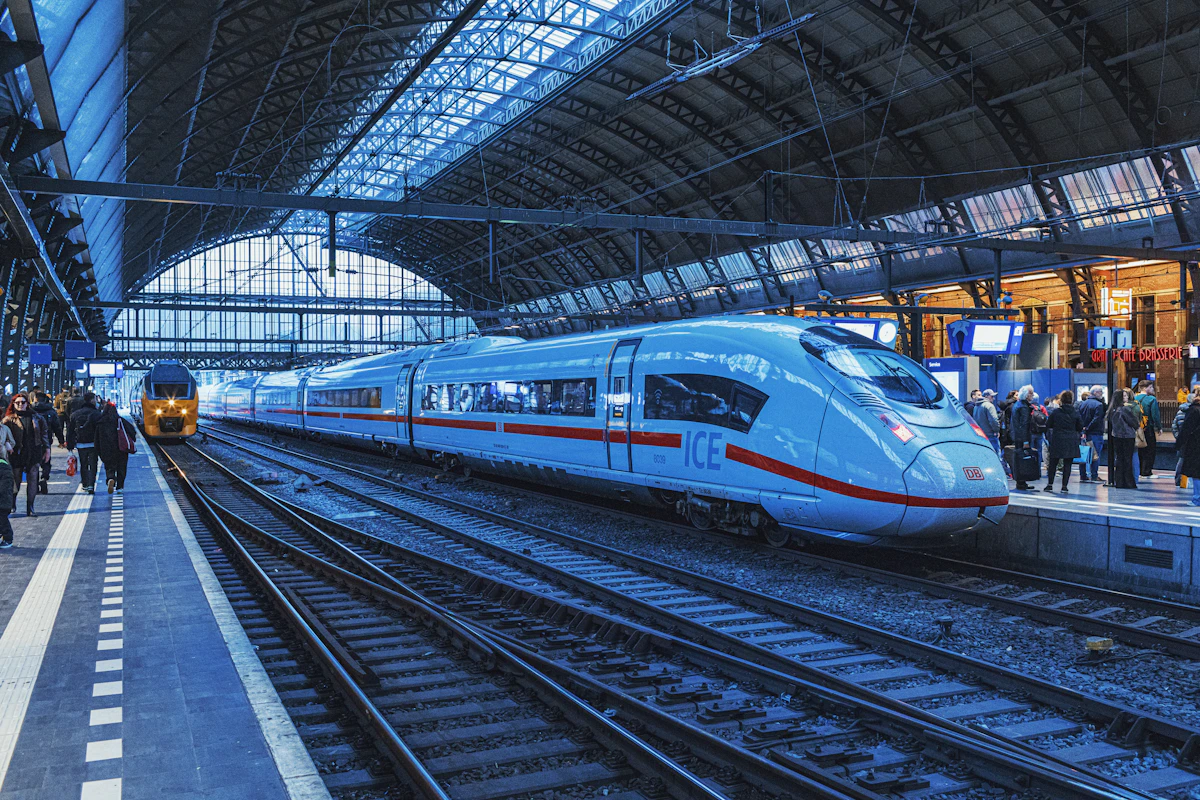
Utrecht also makes a fantastic base if you're using budget European carriers to hop between cities. You're just 26 minutes from Amsterdam by train, with departures from Utrecht Centraal every 10 minutes throughout the day.
What Does Utrecht Actually Cost in 2025?
Let's be real: the Netherlands is expensive by almost any standard outside of Scandinavia. There's no way to sugarcoat that. But there are real ways to keep costs manageable.
Accommodation: Decent hostel dorm beds start around $30 to $40 USD per night. Strowis Hostel, which keeps coming up in this article for good reason, typically falls in that range according to Booking.com, and the communal kitchen saved me serious money over three consecutive evenings. A basic two-star hotel in the center starts around $90 to $110 USD. If you're arriving during the Gaudeamus festival in May or for a major show at TivoliVredenburg, expect prices to spike by 30% or more.
Food: Albert Heijn supermarkets are everywhere and are reasonably priced by Dutch standards. A solid lunch from a local market stall or deli runs $8 to $12 USD. Dinner at a sit-down restaurant in the center is $20 to $35 USD without drinks. The Saturday market at Markt (the central historic square) has fresh food stalls where you can build a genuinely excellent picnic along the canal for under $10 USD. That's the option I'd choose without hesitation.
Getting Around: The historic center is completely walkable. For farther neighborhoods like Lombok or Oog in Al, biking is the obvious answer. Rental bikes run $10 to $15 USD per day through services like MacBike or Swapfiets. The OV-chipkaart works on buses and trams, but honestly, over three full days in Utrecht I never once needed it. My feet handled everything.
Here's a quick cost breakdown for reference:
| Expense | Budget Option | Mid-Range Option |
|---|---|---|
| Accommodation (per night) | $30-40 (hostel dorm) | $90-110 (2-star hotel) |
| Lunch | $8-10 (market stall) | $15-20 (cafe) |
| Dinner | $10-12 (self-catering) | $25-35 (restaurant) |
| Dom Tower entry | $12 | $12 |
| Molen de Bok entry | $4-5 | $4-5 |
| Bike rental (per day) | $10-15 | $10-15 |
| Beer at Café Olivier | $4-5 | $4-5 |
| Daily total (approx.) | $35-55 | $80-110 |
The Dom Tower and the Story Nobody Tells You
The Dom Tower is Utrecht's most recognizable landmark. Everyone photographs it. What far fewer people know is why the cathedral nave isn't attached to the tower: a tornado (yes, an actual tornado) destroyed the central nave in 1674 and it was never rebuilt. The tower was left standing alone, separated from the cathedral choir by an open plaza. You can climb all 465 steps for around $12 USD and on a clear day you can see all the way to Amsterdam.
The climb is worth more than the ticket price suggests. But before you go up, spend some time in the Domkerk itself, the section of the original cathedral that survived the storm. Entry is free. The acoustics inside are extraordinary. If there happens to be an organ rehearsal or a concert happening while you're there, don't leave. Stay as long as they'll let you.
Just next to the Dom is a 14th-century Gothic cloister that's open to the public at no charge. I was there on a September morning at 8am with no one else around except two pigeons. That's not something you're going to find in any guidebook, but that kind of quiet, unhurried moment is exactly what Utrecht does better than almost anywhere.
Lombok: The Neighborhood Tourists Almost Never Find
Lombok is about two miles from the city center. It's Utrecht's most genuinely multicultural neighborhood, shaped over decades by Moroccan, Turkish, and Surinamese communities. That history shows up in the halal butcher shops, the pastry counters loaded with baklava and Turkish sweets, and the specialty grocery stores stocking ingredients you'd never find at an Albert Heijn.
The main street, Kanaalstraat, has some of the cheapest and most authentic food in the entire city. I had lunch at a Moroccan restaurant with no visible name on the door (I found it by following the smell and noticing three guys sitting out front on chairs) that charged me about $9 USD for a tagine with bread and mint tea. There was no menu in English or Dutch. We communicated through gestures and a photo on my phone and it worked out perfectly.
Lombok also hosts its own street market on Tuesdays and Fridays: fresh produce, spices, secondhand clothing. The kind of market that actual residents use rather than tourists browsing for souvenirs.
TivoliVredenburg: The Concert Hall You'll Either Love or Hate
Fair warning: this one is divisive. TivoliVredenburg is a five-venue concert complex sitting right next to Utrecht Centraal station. The building is a massive concrete-and-glass structure from the 1980s that was renovated in 2014. Utrecht residents either love it for what happens inside or can't get past what it looks like outside.
What happens inside justifies every debate about the exterior. This is the most active live music venue in the Netherlands, with programming that ranges from classical and jazz to electronic and major international acts. Ticket prices run from about $11 USD for smaller shows up to $65 to $90 USD for bigger performances. Check the schedule on their official website before you book your trip, because popular shows sell out weeks in advance.
The acoustics in the main hall, Cloud Nine, rank among the best I've experienced anywhere in Europe. I say that having sat in concert halls in Berlin, Vienna, and Madrid.
On weekend mornings, the ground floor hosts an indoor market with local cheese producers, craft brewers, and artisan bakers. I showed up on a Saturday with no intention of buying anything and left with a wedge of smoked goat cheese and two bottles of a rye beer from a Zeeland brewery whose name I immediately forgot but spent an embarrassing amount of time trying to find online afterward. Those are always the best travel purchases.
Does Utrecht Deserve More Than a Day Trip?
Yes. Two days is the bare minimum if you want to leave feeling like you actually experienced the place rather than just checked it off a list. Three days gives you room to wander without an agenda, which is when Utrecht starts revealing itself properly.
The most common mistake I see travelers make is treating Utrecht as a one-afternoon layover on the way to Amsterdam. I understand the logic completely; I made the same mistake the first time I passed through the Netherlands (coming from Brussels, heading to Amsterdam, figured I'd stop for "a few hours"). I ended up coming back a full year later for a four-day stay.
If you're piecing together a broader trip through the Netherlands and Belgium, Utrecht slots in perfectly as a base. The train connections are excellent, the pace is manageable, and having a quieter home base while doing day trips is genuinely less exhausting than trying to navigate Amsterdam's crowds every single day.
One Last Thing About Utrecht
On my first afternoon there, I asked the woman working the front desk at the hostel what I absolutely shouldn't miss. She was from Groningen originally and had been living in Utrecht for four years. She didn't hesitate for a second: "Sit on the canal around six in the evening with a beer. Everything else figures itself out."
She was completely right. And honestly, three years later, I still haven't fully figured out why that works as well as it does. Something about being down at water level, below the city instead of on top of it, makes the whole place feel like a secret that hasn't been oversold yet. Go find out for yourself before that changes.
Compartir artículo