Sierra de Cazorla: Spain's Most Underrated Natural Park Guide
Discover Sierra de Cazorla, Spain's largest nature reserve. Hiking, wildlife, and medieval towns without the crowds. Plan your trip with this honest guide.
A friend of mine once told me, over coffee at a little outdoor cafe in Granada, that Sierra de Cazorla was "for old people who want to watch deer." I laughed. Three weeks later, I was standing there at seven in the morning, watching the Guadalquivir River literally bubble up out of the ground at my feet, with absolutely no idea how I'd found my way to that exact spot on the trail. That friend still hasn't made the trip. I went back the following year.
The Sierra de Cazorla, Segura y Las Villas Natural Park is the largest protected natural area in Spain and one of the biggest in all of Europe. If you're hunting for a destination that delivers dense wilderness, real wildlife, villages with actual personality, and prices that won't wreck your budget, here's everything you need to know before you go.
Why Cazorla Is So Overlooked by International Travelers
Ask any foreign visitor to Spain where they're headed and you'll hear the same list every time: Madrid, Barcelona, Seville, maybe Granada if they're feeling adventurous. Cazorla never makes that list. And honestly? That's a gift for the people who do show up.
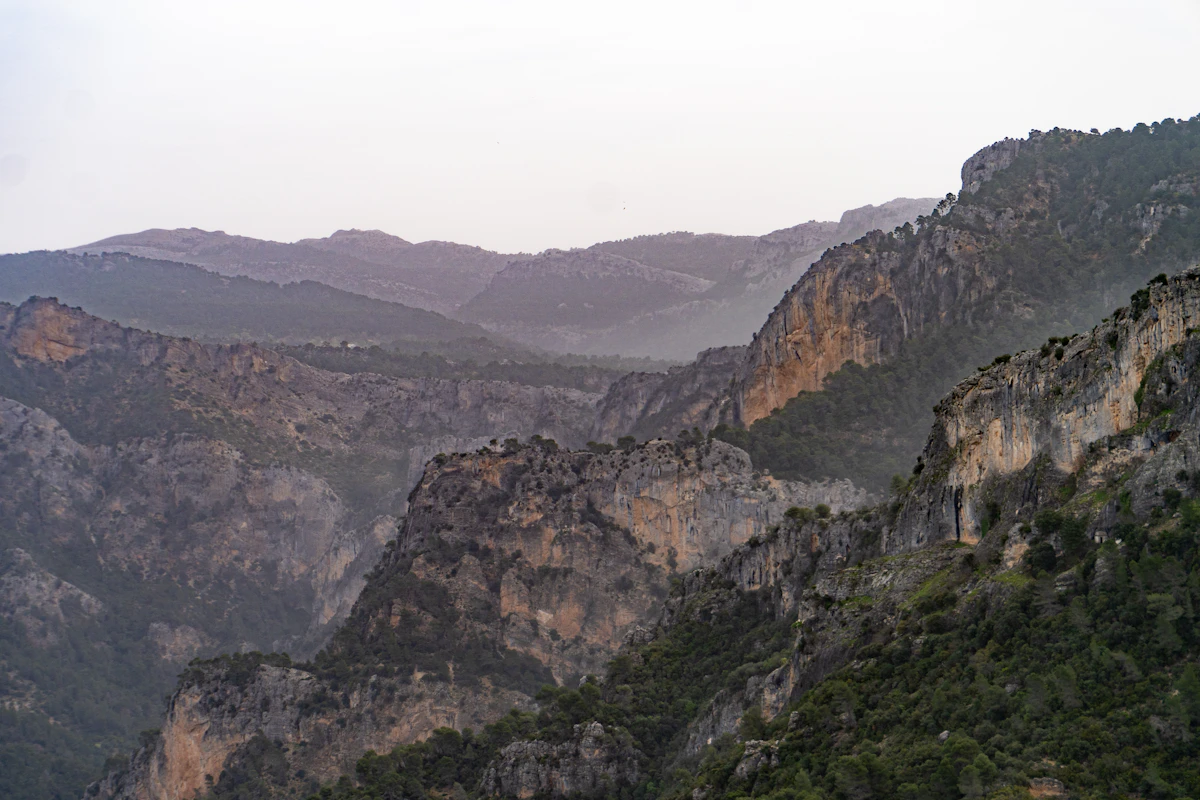
The park covers roughly 530,000 acres in the province of Jaén, in the heart of Andalusia. Elevations push past 6,500 feet, there are over 1,300 catalogued plant species (many of them found nowhere else on earth), and populations of red deer, mouflon, Spanish ibex, and griffon vultures roam around in broad daylight without anyone batting an eye. It's not exotic in the way Iceland or Patagonia is exotic, but it has something very few places left in Europe can offer: actual space. You can hike for hours and not see another person.
The honest downside is logistics. Cazorla is not well connected by public transportation. Getting there by bus from Jaén city takes around two hours, and the service is pretty sparse. Once inside the park, without a car or a locally organized tour, your range shrinks considerably. That scares off a lot of travelers, and I'll be upfront, it almost scared me off too the first time. But here's the thing: with a little advance planning and a budget rental car, the park becomes completely accessible and worth every bit of the effort.
How to Get to Cazorla Without Blowing Your Budget
There are basically two approaches that make sense for most travelers coming from outside the region:
-
Drive from Jaén or Úbeda. This is what I did, and what I'd do again. Jaén city has high-speed rail connections from Madrid, with journey times around two hours. From the train station, pick up a rental car and you're in the town of Cazorla in about 50 miles. Rental car prices from local agencies in Jaén run roughly $33 to $50 per day in 2026, depending on the season.
-
Take the bus from Jaén. There is a bus line running the Jaén to Cazorla route with one or two departures per day. It works, but it seriously limits what you can do once you're inside the park.
Some travelers drive in from Almería, cutting across part of the sierra on the way, and that route genuinely rewards you with stunning views. I wouldn't recommend doing it after dark though. The mountain roads are tight and they do not forgive inattention.
If you're already exploring Andalusia and thinking about combining this with a broader rail journey through Spain, the high-speed train from Madrid to Jaén is a solid entry point that keeps things simple and affordable.
What to Actually See in Cazorla Natural Park
This is where most travel guides drop the ball. They tell you to "visit the park" like that's a useful piece of information. The park has distinct zones with very different characters, and knowing which ones match what you're after makes a real difference.
The Town of Cazorla and Its Castle
The town itself is worth your time. The streets are steep enough to make your calves complain, and the views from the ruins of Castillo de la Yedra are the kind that make you understand why someone decided to build a fortress here in the first place. The Plaza de Santa María, with its roofless ruined church and a fountain sitting in the middle of it all, is one of those squares where you sit down on a bench and genuinely don't want to get up.
I spent two nights here in a small family-run guesthouse that came out to under $45 a night with breakfast included. Options in that price range cluster around the older streets near the center of town, and while specific places change ownership more often than you'd expect, that budget is realistic for a clean, comfortable room with a home-cooked breakfast thrown in.
The Source of the Guadalquivir River
This was the spot that genuinely moved me in a way I didn't anticipate. The longest river in Andalusia, the same river that rolls wide and brown and historic through Seville, starts as a small spring inside the park in an area called Cañada de las Fuentes. You can drive to a parking area nearby and walk about 20 minutes to reach it. It's not a strenuous hike. There's no entrance fee. And there's something quietly strange about standing at the very beginning of something that important, watching the water just push up out of the ground.
The Cerrada de Utrero and the Park's Best Hiking Routes
The park has marked trails at various difficulty levels. The Cerrada de Utrero is a narrow canyon with sheer vertical walls where the Borosa River runs between them. The full Borosa River trail, out and back, covers around 14 miles and ends at a pair of high-altitude lakes that in summer turn a shade of blue that looks almost fake. It's the most popular hike in the park, and the reputation is earned. Bring more water than you think you need. Summer heat in this part of Spain is serious.
For trail maps, the official Cazorla Natural Park website through the Junta de Andalucía has downloadable route maps. I also always load up Wikiloc before heading out, since it has GPS tracks from other hikers with real-world notes about conditions and difficulty.
Wildlife Watching and the Deer Rut
Here's a take you won't find in the brochures: the best time to see wildlife in Cazorla is NOT summer, even though that's when most tourists visit. The deer rut, known locally as la berrea, happens in September and October. The males vocalize with this deep, echoing call that genuinely raises the hair on the back of your neck if you hear it in a quiet forest at dusk. On top of that, visitor numbers drop significantly, and the park just feels more like what it actually is.
Summer in Cazorla gets crowded. Overlook lines form, campgrounds fill up, and prices climb. If your schedule has any flexibility at all, push for September or October.
What Does a Trip to Cazorla Actually Cost in 2026?
Breaking it down honestly:
| Expense | Budget Range (per person) |
|---|---|
| Accommodation in town (guesthouse/rural B&B) | $38 to $65 per night |
| Rural hotel inside the park | $75 to $130 per night |
| Lunch (set menu with drink) | $13 to $17 |
| Self-catered trail food per day | $9 to $14 |
| Park entrance | Free for most areas |
| Guided 4x4 or wildlife tour | $17 to $33 per person |
| Rental car per day | $35 to $55 |
A three-night, four-day trip with a rental car, eating well without stressing about every meal, and doing the main hikes comes out to roughly $380 to $500 per person when traveling as a couple. Solo travel bumps that up a bit because you're covering the car cost alone. For what this park delivers, it's one of the best value-for-experience ratios I've found anywhere in Spain.
One honest note on accommodation prices: Cazorla has been getting more press coverage lately, and when a destination starts appearing in travel media, prices tend to follow. Booking.com data for the area showed noticeably higher demand in October 2025 compared to the year before. What that means for 2026 pricing is genuinely unclear, but booking ahead for fall visits seems like a smart move.
The Thing Nobody Warns You About
There is one thing that frustrated me my first visit that almost no guide mentions: the signage inside the park is inconsistent. Some stretches of road are clearly marked. Others will drop you at a fork with two identical-looking dirt tracks and zero indication of which one you want, while your GPS quietly has a small crisis.
My honest advice: download offline maps before you enter areas with limited cell coverage. I use Maps.me alongside Google Maps for this. And if you're doing any long routes, tell someone where you're going before you head out. That's not being dramatic. It's just basic common sense for a protected area of this size.
One more thing worth knowing if you're camping: the park's nights are loud. Not party loud, but nature loud. Crickets, owls, and the river combine into a wall of sound that some people find deeply relaxing and others find completely impossible to sleep through. I fall firmly in the second camp. I packed a good pair of foam earplugs on my last trip and slept far better than expected.
Is It Worth Adding Úbeda and Baeza to the Trip?
Yes. Without any hesitation, yes. Both cities sit less than an hour from Cazorla and are two of the best-preserved Renaissance towns in all of Europe. They're both UNESCO World Heritage Sites, and if you're making the effort to get to Jaén province, skipping them would be genuinely regrettable.
Úbeda has the Plaza Vázquez de Molina, a concentration of 16th-century Renaissance architecture that makes you feel like the rest of the world simply stopped developing at some point and nobody told this square about it. Baeza is a little smaller and quieter, with a cathedral and a former seminary that look best when you're standing in the main plaza watching the afternoon light shift.
The full loop of Cazorla plus Úbeda plus Baeza fits neatly into four or five days and is, in my opinion, one of the most underestimated inland trips you can do in Spain. It consistently outperforms routes that show up on every "hidden Spain" listicle that gets shared around the internet.
The Best Time to Visit: My Actual Answer
Not the guidebook answer. My real one.
September and the first half of October. That's it. The weather is comfortable without being punishing, the afternoon light in the park has a golden quality that flat-out doesn't exist in July, and the deer rut turns an ordinary evening walk into something you'll be telling people about for years.
June and July work if you have no other option, but plan for genuine heat on the trails and noticeably more company at the popular spots. Spring, specifically April and May, is spectacular for wildflowers and fresh greenery, though rainfall can be significant.
Winter exists here too. Snow reaches the higher elevations. Some accommodations close for the season. If you're drawn to radical quiet and a landscape that looks completely different from its summer version, January can be a remarkable experience, though you'll want to verify what's actually open before committing to the trip.
Honestly, sometimes I'm not entirely sure whether what I'm after when I come to places like this is genuine wilderness or just a few days away from city noise. Probably both. And I've decided that's a perfectly acceptable reason to travel somewhere.
Cazorla is not going to show up in your Instagram feed with perfectly lit shots and coordinated outfits. It doesn't have the thrill of extreme destinations or the ease of a resort. What it has is pine and oak forest, a river that starts from nothing, and enough hours of quiet to actually think. For some people that's not enough. For me, on the right trip, it's exactly what I needed.
If you end up going, I'd genuinely love to hear which trail you tackled. My hunch is that experienced hikers will find the full Borosa River route satisfying but want more by the end of it. What I'd recommend as the next step up really depends on your fitness level and how technical you want to get, and that's one of those questions I'd rather answer once I know a little more about who's asking.
Compartir artículo