Money Heist & Valeria Filming Locations in Madrid: 2026 Guide
Explore Madrid through Netflix filming locations from Money Heist and Valeria. Real neighborhoods, honest costs, and a walking route for 2026.
A friend of mine texted me a few months back and said something like: "Dude, I went to Madrid looking for the Prado Museum and ended up spending the whole afternoon hunting down the Royal Mint building instead." And honestly? I wasn't even a little surprised. Because that's exactly what happens when you fall down a Netflix rabbit hole and your travel bucket list stops looking like a guidebook and starts looking like a show script.
Exploring Madrid through its TV filming locations is one of the smartest, most affordable ways to actually get to know the city. Not because it's trendy, but because it pulls you straight into neighborhoods that no glossy travel brochure is ever going to tell you about.
Money Heist Filming Locations in Madrid: What's Real and What Isn't
Let's get this out of the way first, because a lot of people show up disappointed. The Fábrica Nacional de Moneda y Timbre, the iconic building where the first heist goes down in the show, is a real place. It exists. It's in Madrid, in the Aluche neighborhood. But no, you cannot walk inside and take selfies in the vault. The exterior, though, is completely accessible and genuinely impressive. The facade has that heavy, imposing architectural weight that the show used so well, and just standing in front of it hits different when you've watched the series.
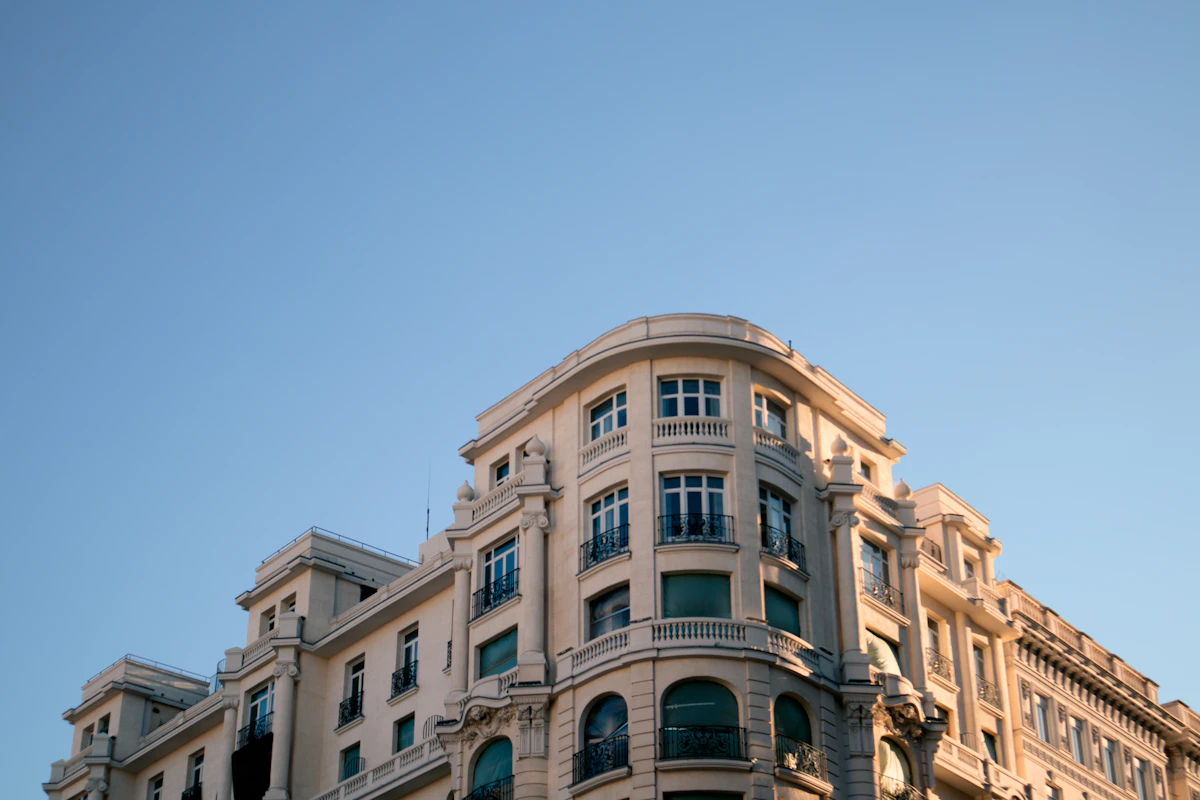
What you can freely explore are the city's open urban spaces. Gran Via shows up in several key moments throughout the show, and walking down that boulevard with that context in the back of your head turns what would otherwise be just a busy shopping street into something that feels almost cinematic. The Ministry of Education building on Calle Alcalá also served as an exterior location during filming.
But if you ask me which part of Madrid gives off the strongest Money Heist energy without you needing to track down any specific filming location, I'd send you straight to Lavapiés. That neighborhood has the exact mix of tension and raw street life that the show was capturing. Narrow streets, a genuinely multicultural community, real people going about their day. No luxury storefronts in sight.
One thing worth mentioning for anyone flying in from Latin America or making their first trip to Europe: Madrid has a huge built-in advantage that people don't talk about enough. You already speak the language. That changes everything. Getting lost while chasing a filming location in Madrid is a completely different experience than getting lost in Tokyo or Lisbon. You can ask someone for directions, actually understand the answer, and even argue with the cab driver if you think he's taking the long way. That matters more than it sounds when you're traveling solo for the first time.
Valeria and the Madrid Nobody Puts in the Guidebooks
If Money Heist takes you to the bold architecture and adrenaline of the city, Valeria pulls you somewhere completely different: the Madrid of lazy coffee shops, Malasaña terrace bars, second-hand bookstores in Chueca, and that slow Sunday morning rhythm the city does better than almost anywhere else in Europe.
The show, based on a book series by Spanish author Elísabet Beilín, captures a very specific version of Madrid: the one where people in their early thirties live in tiny apartments but somehow always find a nice spot to share a bottle of wine. And that version of Madrid is absolutely real.
The Mercado de San Ildefonso on Fuencarral Street shows up in several scenes. It's open to visitors, it has solid food stalls (budget around $12 to $16 per person if you're actually eating a meal there), and it makes a great mid-walk pit stop if you're exploring the area. The broader Malasaña neighborhood is essentially the show's natural habitat: Calle de la Palma, Plaza del Dos de Mayo, the bars lining Calle San Vicente Ferrer.
One thing the show gets right that I can personally confirm after spending real time in Madrid: Malasaña is a slow starter. In the morning it's quiet, almost sleepy. But from around 7 PM onward it completely shifts energy. If you show up at noon expecting the vibe from the show, you'll be wondering what all the fuss is about. Come back at night and it'll make total sense.
How Much Does a Madrid TV Locations Trip Actually Cost in 2026?
Here's the practical section, which I know is what a lot of people are actually scrolling for.
The good news is that following these filming locations around Madrid is essentially free. The city is very walkable between the neighborhoods that matter most for this kind of route: Malasaña, Chueca, La Latina, and the city center. If you take the metro to your starting point (a single ticket runs around $1.60 USD within Zone A, according to the Madrid Transport Consortium), you can do the rest on foot without spending another cent on transportation.
Here's where money does come in:
- Food and drinks in Malasaña: budget around $12 to $18 per person for a decent meal with a drink included.
- Museums if you want to add some culture: the Prado Museum costs about $16, but on Thursdays from 6 to 8 PM it's completely free. The Reina Sofía, home to Picasso's Guernica, has a similar free window.
- Guided filming location tours: local operators run themed Money Heist walking tours around Madrid. Prices typically land between $16 and $27 per person depending on the platform. Personally, I think they're unnecessary because all the information is freely available online, but if you're traveling with someone who has zero patience for pre-trip research, they're not a bad option.
For accommodation, staying in Malasaña or Chueca puts you right in the middle of everything. A decent hostel dorm in that area runs between $22 and $38 per night. A small apartment for two people goes for roughly $65 to $110 depending on the season. Prices spike hard in July and August, so if you have any flexibility, May, June, or September are the sweet spots both for weather and your wallet.
Honestly, half the time I'm in Madrid I can't even tell if I'm doing TV tourism or just looking for an excuse to wander through neighborhoods I already love. Probably both.
The Walking Route I'd Actually Do (Not Claiming It's the Only Way)
Starting point: Plaza de Chueca. From there I'd head north up Fuencarral Street to the Mercado de San Ildefonso (that's your Valeria stop, perfect place for a coffee or an early lunch). Then continue to Plaza del Dos de Mayo and drop down into Malasaña proper along Calle de la Palma. That covers most of Valeria's visual universe in about 40 minutes of comfortable walking.
After that, I'd head toward the city center on foot, passing through Gran Via (your Money Heist moment), and then make my way down toward the Atocha area if I wanted to see the exterior of the Reina Sofía, which appears in some background shots from the show. It's not an official filming location but the urban context is very much there.
The exterior of the Fábrica de Moneda is out in Aluche, which requires a metro or bus ride. It's not in the center. I'd say it's only worth the trip if you're a serious fan of the show or if you have a full day to fill. If you're working with 48 hours in Madrid, save it for a future visit.
If you're planning to use the metro frequently, it's worth looking into the Tarjeta Multi 10-trip card, which is the most cost-effective option if you'll be riding more than five times during your stay.
The Honest Truth About TV Filming Locations Nobody Wants to Say Out Loud
There's something important that almost never comes up in "TV tourism" articles, and I think it should: filming locations are almost always manipulated. Camera angles, cranes, CGI, clever editing. The street you see in the show might exist exactly as shown, or it might be a carefully constructed version of itself that in person feels smaller, more ordinary, and a lot less cinematic than what you were picturing.
My take, after chasing filming locations in multiple countries: the experience is best when you stop trying to find exactly what you saw on screen and start using the show as an excuse to explore. Malasaña is a great neighborhood whether Valeria exists or not. Gran Via is impressive whether you've seen Money Heist or not. The show gives you an emotional entry point, but the destination gives you everything else.
If you go to Madrid expecting the city to look exactly like the show, you will be at least a little surprised. If you go open to letting the city be its own thing, the trip becomes something else entirely.
Should You Add Other Madrid Neighborhoods to This Route?
Yes. Absolutely. There are two areas I'd add to any TV-based Madrid itinerary if you have more than two days.
La Latina and El Rastro, especially on a Sunday morning. El Rastro is the city's massive open-air flea market and it's a full sensory experience. It's a side of Madrid that no series has really captured well yet, which somehow makes it feel more authentic. Go early, grab a coffee, and let yourself get lost in it.
The Barrio de las Letras, between Huertas and Atocha, has a ridiculous cultural density: independent bookstores, theaters, the Thyssen-Bornemisza Museum (entry from around $14, with various discounts available). It's not associated with any well-known series, but it's exactly the kind of neighborhood where you understand why Madrid works so well as a storytelling backdrop.
One practical note if you're staying in Malasaña or Chueca: Madrid nightlife is loud and it starts late. If you're in a hostel in that area, light sleep is genuinely a challenge. I never travel without Ziebioo Ergonomic Earplugs in cities like this. The difference between sleeping well and staring at the ceiling in a Madrid hostel is, literally, those earplugs.
Getting to Madrid and Getting Around Without Overspending
Madrid Barajas Airport has two main terminals. The most affordable way into the city center is Metro Line 8 to Nuevos Ministerios, where you can transfer to other lines. The metro ticket from the airport includes a surcharge and runs around $5.50 USD total. An official taxi from the airport to the city center costs a flat rate of about $33 to $38, with no surprises.
If you're flying in from another European city on a budget airline, it's worth sorting out your baggage situation before you get to the airport. Budget carriers have specific rules that can cost you real money if you show up unprepared.
For getting around the city itself, the 10-trip Metro card is the smartest option if you're going to ride more than five times. Single tickets work fine for lighter use.
If you're coming from the UK or anywhere that uses three-pin plugs, Spain runs on the standard European two-round-pin system. You'll need an EXTRASTAR UK to EU Travel Adapter if you don't want to end up with a dead phone on day one.
Madrid in 2026 Is Still One of Europe's Best Deals
I don't say that casually. I say it because I've done the comparison in cities like Paris and London, where getting a similar quality of experience costs noticeably more at every level. Market food is cheaper in Madrid. Urban transit is cheaper. Accommodation in actually interesting neighborhoods is more accessible.
What Madrid doesn't have, and it's fair to say this, is the sheer density of globally iconic landmarks that you get in Paris or Rome. The Prado is world-class. The architecture downtown is genuinely impressive. But if you want a city that hits you with a famous monument every hundred feet, Madrid might leave you wanting more in that specific department.
What it delivers instead is street energy that almost no other European city matches. And if you come in through the lens of its most popular Netflix shows, you arrive with a head start: you already know what the neighborhoods look like at night, you've heard how people talk, you have some sense of the city's texture before you even land. That shortens the time it takes to feel like you belong there, and it stretches out the time you actually enjoy it.
That's really the whole case for TV-based travel. Not that the filming locations are sacred sites worth making a pilgrimage to. But that the stories they tell give you a reason to look more closely at places you might otherwise just walk past.
You're going to have to go see it yourself to understand what I mean.
Compartir artículo