Cazorla, Spain: The Wild Nature Escape You Haven't Heard Of
Discover Cazorla Natural Park in Spain — hiking, wildlife, and zero tourist traps. Your complete 2026 travel guide with costs, tips, and routes.
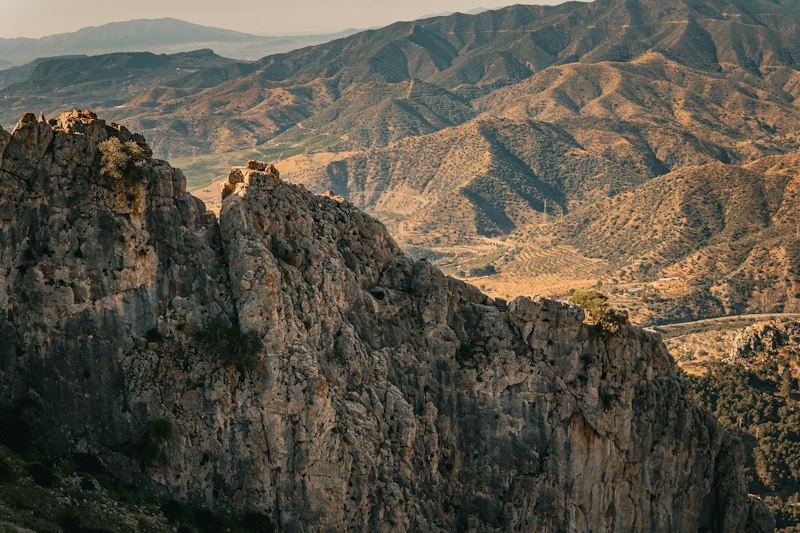
If you're tired of elbowing through crowds at the Alhambra or paying $8 for a coffee on Las Ramblas, let me tell you about a place that most American travelers have never even heard of. The Sierras de Cazorla, Segura y Las Villas Natural Park in southern Spain is the largest protected natural area in the entire country and the second largest in Western Europe, covering more than 530,000 acres of dense forest, wild rivers, and mountain terrain that will genuinely make your jaw drop.
Here's what you need to know upfront before we get into the details:
- The park sits in the province of Jaén, in Andalusia (southern Spain)
- Best times to visit are spring (April through June) and fall (September through October)
- Entering the park is free, though some activities and guided tours cost extra
- A rental car is strongly recommended, though bus service from Jaén exists
- Spending at least one night in the town of Cazorla itself makes the trip feel complete
I spent four days here last fall on what started as a completely spontaneous decision, and honestly it ranks among the best trips I have taken in recent memory. Here is everything you need to know before you go.
Why Cazorla Deserves a Spot on Your Spain Itinerary
I will be real with you. When a friend first told me to check out Cazorla, I was skeptical. I had heard the same pitch about dozens of "hidden gem" destinations that turned out to be perfectly nice but nothing to write home about. Cazorla was different, and I say that without any hesitation.
The town itself has all the classic Andalusian charm you would expect, white-washed buildings tumbling down steep hillside streets, shady plazas, and old stone churches. But what sets this place apart from every other cute village in Spain is what surrounds it. The moment you enter the natural park, you understand why birdwatchers, wildlife photographers, and serious hikers from all over Europe make the pilgrimage here year after year.
According to regional tourism data, the park receives roughly 600,000 visitors per year, but the overwhelming majority of those show up in July and August. Visit in spring or fall and you will often have entire trails to yourself. That is not something you can say about many destinations in Europe anymore.
The contrast between the town and the park is honestly what makes the whole experience special. One morning you are sipping a cortado at a terrace cafe with mountain views. That same afternoon you are standing in the middle of an ancient forest listening to deer bugling through the trees. No exaggeration whatsoever.
What to See in the Town of Cazorla
The town is small, but it has real personality. Do not make the mistake of spending 45 minutes walking around and calling it done. This is a place that rewards slowing down.
Plaza de Santa María and Its Ruins
This is the heart of the town and one of those public spaces that just stops you in your tracks. The ruins of the 16th-century Church of Santa María now function as an open-air plaza and occasional performance venue. There is a stone fountain at the center, restaurant terraces ringing the edges, and above it all a dramatic rocky cliff called the Peña de los Halcones, or Falcon's Rock. The photo takes itself, seriously.
Castillo de la Yedra
The hike up to this medieval castle takes about 15 minutes on foot and is absolutely worth every step. From the top you get a sweeping panoramic view over the town and the valley below that fully justifies the climb. Entry to the Museum of the Upper Guadalquivir, located inside the castle, costs around $2 to $3, and it is free on Sundays. I went up on a Tuesday morning and counted exactly three other visitors. Absolute perfection.
Eating in Cazorla Without Breaking the Bank
The local food scene revolves around a few things: extra virgin olive oil (the province of Jaén produces roughly 20 percent of the world's entire olive oil supply, which blew my mind when I first read it), roasted lamb, garlic soups, and locally sourced wild game. This is not the place to look for trendy fusion restaurants, and that is completely fine.
On some of the smaller side streets near the main plaza, you will find traditional tapas bars where locals actually eat. I ordered a slow-cooked venison stew with potatoes for about $10 that I am still thinking about. In many bars throughout Jaén province, a free tapa comes with every drink you order, which is a tradition that has somehow survived intact here when it has disappeared from most of Spain's bigger cities.
Hiking Routes in the Sierra de Cazorla for Every Level
This is where the park really shows off. There are trails for every type of traveler, from easy riverside walks to serious mountain climbs with real elevation gain.
The Río Borosa Trail: Most Popular for Good Reason
This is the signature hike of the park, and it earns that reputation every single time. The full route runs about 14 miles round trip, though you can cut it to a more manageable 5 miles if you just want a taste of what the trail offers. The path follows the Borosa River through narrow rock gorges, past tunnels carved directly into the cliff face, and up to crystal-clear mountain lakes at the top called the Lagunas de Valdeazores.
Here is my personal warning: I did this trail without trekking poles and the last stretch climbing through the tunnel section absolutely wrecked my knees. Learn from my mistake. Bring poles or at minimum wear proper trail running shoes. Regular sneakers are going to make you miserable on the upper section.
The trailhead starts at the Torre del Vinagre Interpretation Center, where there is free parking and restroom facilities. Pack a lunch because there is nothing to buy once you are out on the trail.
Cerrada de Elías Trail
This one runs about 7 miles and sees significantly fewer visitors than the Borosa route. It passes through a dramatic river canyon and is technically straightforward, though a few exposed ridge sections require some basic attention to footing. This is a great option if you are hiking with kids or simply want a beautiful but less demanding day out.
Challenging Option: Summit of El Yelmo
El Yelmo is the most iconic peak in the park, topping out at around 5,935 feet. The trail is not technical in a rock-climbing sense, but it is long and accumulates significant elevation gain. On a clear day from the summit you can see all the way to Sierra Nevada. If you are a serious hiker looking for a full day adventure with a real payoff, this is your route.
Wildlife: Deer, Bearded Vultures, and Things You Did Not Expect in Europe
The Cazorla Natural Park is one of the finest places in all of Spain, and arguably in all of Europe, to see large wildlife in a genuinely wild setting. Not in an enclosure, not on a managed game reserve, but out in the open doing their thing.
If you visit in fall, specifically September and October, you might experience the deer rut. The males bellow across the valleys in these deep, guttural calls that carry for miles, and you can often hear them from the road without even getting out of your car. It is one of those wildlife experiences that feels completely unexpected in a European context and sticks with you long after you get home.
The bearded vulture, one of the most spectacular birds on the planet with a wingspan that can reach over nine feet, was successfully reintroduced to the park in the 1980s and the population has been growing steadily since. Watching one of these birds ride a thermal overhead is legitimately one of the great wildlife moments available to any traveler in Europe.
Golden eagles, river otters, and wild mouflon sheep round out the list of species you might reasonably spot with some patience and an early morning start. The Torre del Vinagre Interpretation Center also has a small wildlife rehabilitation area where you can see some of these species up close, which is especially good if you are traveling with children.
What It Actually Costs to Visit Cazorla: Real 2026 Budget
The park entrance is free, but you still need to budget for transportation, lodging, food, and any optional activities you want to add on.
| Expense | Approximate Cost (per person) |
|---|---|
| Rural guesthouse or hotel in the park | $35 - $90 per night |
| Hostel or budget room in Cazorla town | $20 - $35 per night |
| Sit-down lunch at a local restaurant | $10 - $14 |
| Tapa and drink at a local bar | $2 - $4 |
| Car rental from Jaén (one day) | $30 - $50 |
| Guided wildlife tour (4 hours) | $40 - $60 per person |
| Castle of La Yedra entry | $1.50 - $3 |
| Kayaking or water activities | $25 - $45 |
For a three-night trip, a realistic budget for someone staying in budget accommodations and eating locally runs between $300 and $400 per person. If you upgrade to a charming rural house and want dinners at proper sit-down restaurants each night, budget closer to $500 to $700 without any problem.
Transportation is the biggest variable to plan around. If you fly into Jaén directly, connections are limited, so most travelers fly into Granada instead, which is roughly 60 miles from Cazorla and has far better flight options from major European hubs. Bus service from Jaén to the town of Cazorla exists and takes about two hours for around $8, but getting around inside the park without a vehicle is genuinely difficult. Either rent a car or plan to book guided tours for your park days.
How to Get to Cazorla from Major Cities
From the US your most practical routing is flying into either Málaga or Granada, renting a car, and driving from there. Granada to Cazorla takes about two hours on decent roads, with the last stretch winding through mountain switchbacks that are dramatic and scenic but do require alert driving.
From Madrid you can take the high-speed AVE train to Jaén in roughly two hours and then rent a car from there. From Barcelona the easiest approach is flying into Granada or Málaga. The mountain roads inside the park are narrow with tight curves and occasional deer crossing without warning. If that sounds like a lot, it is honestly fine once you are in it, but take it slow and stay alert especially around dawn and dusk.
Where to Stay: Inside the Park vs. In Town
You have two main camps to choose from, and both have genuine merit depending on what you are after.
Staying in the town of Cazorla gives you easy access to restaurants, bars, and the kind of evening stroll through an Andalusian village that feels like it has barely changed in fifty years. It is also the more budget-friendly option by a significant margin.
Staying inside the park means waking up to absolute silence, having wildlife potentially wandering past your window at dawn, and feeling fully immersed in the landscape. It costs more, but the experience is different in a way that is hard to put into words until you have done it.
The Parador de Cazorla, a government-operated historic hotel located inside the park near the village of La Iruela, is the most iconic lodging option and runs about $120 to $180 per night. If that is out of range, there are privately owned rural guesthouses scattered throughout the park starting around $65 to $80 per night that offer an experience that is honestly just as good, sometimes better, without the brand premium.
The Stuff Nobody Tells You: Real Tips from Someone Who Made the Mistakes
Book accommodation early if you are traveling over a long weekend or during any Spanish national holiday. The park is not overrun like the Costa del Sol, but rural guesthouses have very limited capacity and fill up faster than you would expect.
Bring cash. A surprising number of bars and smaller restaurants in the town do not have card readers, and inside the park most places are cash only. There is an ATM in Cazorla town, but do not count on finding one once you head into the park.
Deer cross the roads constantly, especially at dawn and dusk. I had to brake hard twice during a single 20-minute drive through the park. This is not a rare event, it is just part of driving here. Slow down and stay alert.
Mountain weather changes fast. I left my guesthouse one morning under bright blue skies and by early afternoon there was thick fog rolling through the valley. Always throw a mid-layer in your pack regardless of how good the forecast looks.
Download offline maps before you enter the park. Cell service drops out in large sections and you do not want to be navigating mountain switchbacks with no signal and no downloaded map. The official Andalusia regional government website has downloadable trail maps that are worth saving to your phone before you leave your accommodation.
Frequently Asked Questions
How many days do I need to visit Cazorla and the natural park?
Three nights gives you enough time to explore the town properly, complete the Río Borosa trail, and take at least one additional drive or hike through the park interior. If you are a dedicated hiker who wants to tackle multiple long routes, four to five days is a better fit. A three-day long weekend is the most common format and works well for most travelers.
Can you visit Cazorla in winter?
Technically yes, but you need to go in with realistic expectations. Many rural guesthouses and some restaurants close completely between December and February. Higher trails may have snow or ice. That said, the town in winter has a quiet, almost melancholy charm that some travelers find more appealing than the summer buzz, and prices drop noticeably across the board. If you genuinely do not mind cold temperatures and do not need everything to be open, a winter visit can be a surprisingly rewarding experience.
Do you really need a car to visit the park?
To get the most out of the natural park, yes. Buses from Jaén reach the town of Cazorla, but the best hiking trailheads, wildlife viewing areas, and scenic drives inside the park are not accessible by public transit. Your options without a car are to book guided tours that depart from Cazorla town, which is a perfectly valid approach, or to limit yourself to what is walkable from the village, which is beautiful but incomplete.
Do hiking trails require advance reservations?
Most trails are freely accessible with no booking required. Specific guided experiences like wildlife photography safaris, dawn deer watching tours, or kayaking excursions do require advance booking, particularly during peak season in July and August and around spring holidays. If you want a guided activity, book at least a week or two ahead during high season to avoid disappointment.
Cazorla is never going to compete with Santorini for Instagram followers, and honestly that is the whole point. This is a destination you earn by showing up, slowing down, and paying attention, whether that means listening for deer across a valley at dusk, watching a bearded vulture circle overhead, or just sitting at a terrace with a cold beer while the afternoon light turns the limestone cliffs orange. If that sounds like exactly what you need right now, start looking at flights. Spring 2026 has a trail with your name on it somewhere in the pine forests of Cazorla.
Compartir artículo