7 Best Mediterranean Coves Worth the Hike (Honest Guide)
Discover 7 stunning Mediterranean coves with real travel tips, costs, and directions. No fluff, just honest advice to plan your perfect beach escape.
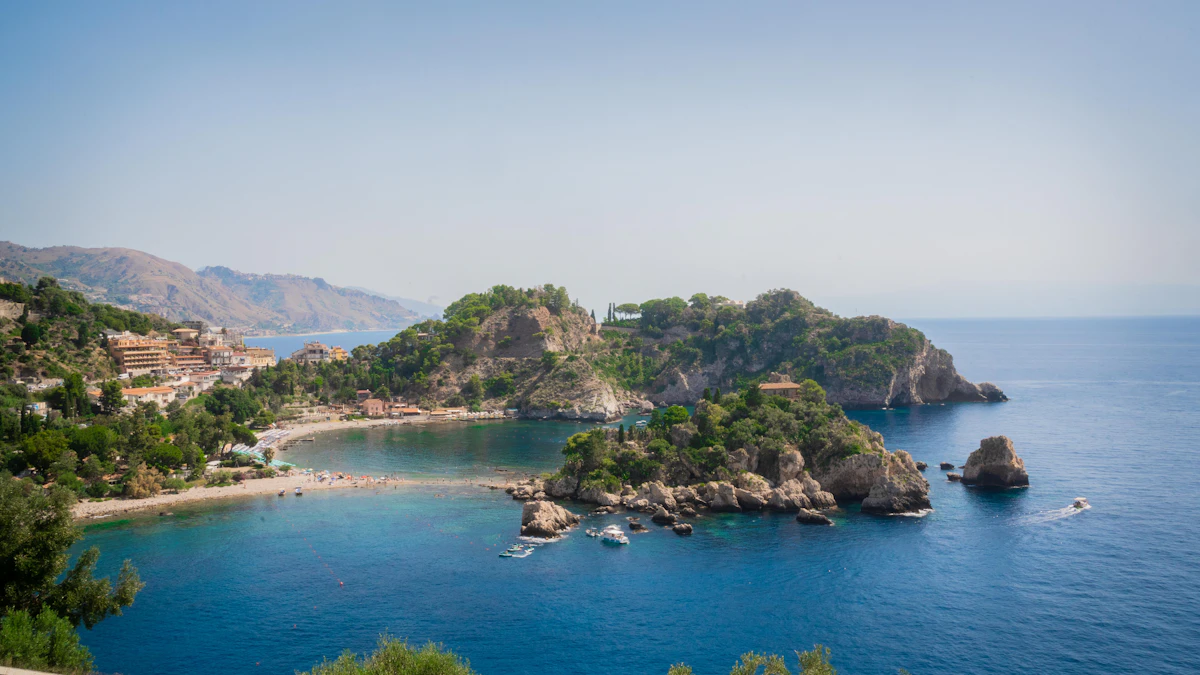
I still remember hiking to a cove in Menorca after forty minutes on a trail that didn't show up on Google Maps, my water bottle nearly empty, completely convinced I had taken a wrong turn somewhere. And then I saw the water. There is genuinely no honest way to describe that color without sounding like a tourism brochure, so I won't even try.
That kind of moment is exactly what the best Mediterranean coves can deliver. But you have to know which ones are worth it, when to go, and how to get there without turning the whole thing into a logistical nightmare. Below are some of the most spectacular coves in the Mediterranean, with real information about how to reach them, what to expect once you arrive, and what the whole thing will actually cost you.
What Makes a Cove Special (And Why Most Aren't Worth the Trip)
A cove isn't just a small beach. It's a narrow inlet tucked between two rocky walls, usually with calmer, bluer water and less wave action than open beaches. That's the technical definition. What nobody tells you is that plenty of the "secret coves" blowing up on Instagram already have paid parking lots two miles away, a beach bar serving overpriced cocktails, and lines in August that stretch forty minutes deep.
Here's what I actually look for when I'm choosing a cove worth visiting:
- Access that requires some effort, whether that's hiking, kayaking, or taking a small boat
- Clear water with a sandy or light rock bottom, nothing murky or weedy
- Small enough that you can still find your own corner even during peak season
- No massive resort hotel within a two-mile radius
Apply those filters and the list gets short fast. But what's left is genuinely worth your time and money.
Cala Macarelleta, Menorca: The One That's Hardest to Beat
If someone told me they had never seen a real Mediterranean cove and asked where to start, I would send them here without hesitating. Macarelleta sits about a twenty-minute walk from Cala Macarella, its bigger and more popular neighbor, connected by a reasonably straightforward trail with some uneven rocky sections.
The water here has that turquoise color that looks like someone cranked up the saturation in Lightroom but is completely, stubbornly real. The bottom is white sand and pale rock, no floating seagrass, no murky patches. The cove itself is small enough that around thirty to forty people fills it up before it starts to feel crowded.
The practical stuff: if you're going in August, get there before 10 a.m. or after 5 p.m. At peak midday it becomes one of the busier spots on this list, which is a bit contradictory given everything I just said about avoiding crowds. But honestly, sometimes I'm not even sure if what I'm chasing is actual solitude or just the feeling of having found it.
Parking at Cala Macarella runs around $6 per day during high season, and from there you walk to Macarelleta. Getting around Menorca without a car is genuinely difficult, but you can rent a scooter or bicycle from Ciutadella for roughly $25 to $35 per day, which makes the whole island feel much more manageable.
Cala Banyalbufar, Mallorca: The One Almost Nobody Talks About
Banyalbufar is a small village in the Serra de Tramuntana mountains in northwest Mallorca. It has a cove that shows up on almost no travel lists because reaching it involves a steep twenty-five-minute hike down a rocky trail. It's not dangerous, but you need proper footwear, especially if there has been any recent rain.
The water here doesn't have the electric turquoise you get in Menorca. It runs more toward a deep emerald green. The bottom is rock and gravel rather than sand, so water shoes are a good idea if your feet are on the sensitive side. What it absolutely does have is a level of quiet that makes most of Mallorca's southern beaches feel like a theme park by comparison.
There is zero infrastructure at this cove. No water, no snack bar, no restrooms, nothing. You bring everything you need and you pack out your own trash. That reality alone filters out a pretty specific kind of visitor, which is exactly the point.
Cala Goloritze, Sardinia: A Trip That Earns Its Reputation
This one is a UNESCO Natural Heritage site and probably the most photographed cove in all of Sardinia, which is saying something. A limestone sea stack rises about 460 feet straight out of the water near the shore, and rock climbers travel from across Europe specifically to attempt it.
The hiking approach from the village of Baunei covers roughly two and a half miles of well-marked trail heading downhill. The return trip is where it earns its difficulty rating because you climb back up everything you descended. Budget between two and a half to three hours round trip at a relaxed pace. If hiking isn't your thing, you can also arrive by boat from Cala Gonone for around $16 to $22 per person depending on which operator you use.
The beach is white pebbles, not sand, and the water runs cold even in July because of a northern current that pushes through the area. None of that matters once you're actually swimming in it.
A side note that I think is genuinely important: Sardinia as a whole is one of the most underrated beach destinations in Europe. When Americans say "Italy" they picture Rome or Florence, but the Sardinian coastline competes with anything in the Caribbean when it comes to water color. If you're looking for affordable flights to the island, Alghero Airport tends to offer the cheapest options on budget carriers coming from elsewhere in Europe.
What Does a Trip to These Coves Actually Cost?
This is where most travel articles completely drop the ball. They give you the gorgeous photo and skip the budget reality. Here's my best attempt at honest numbers.
Menorca (Macarelleta):
| Expense | Estimated Cost |
|---|---|
| Round-trip flight from East Coast US | $400 - $700 |
| Scooter rental per day in Ciutadella | $25 - $35 |
| Budget hostel or guesthouse per night | $40 - $65 |
| Daily spending without accommodation | $40 - $60 |
| Parking at Cala Macarella | $6/day |
Sardinia (Goloritze):
| Expense | Estimated Cost |
|---|---|
| Round-trip flight from East Coast US | $500 - $900 |
| Car rental from Cagliari per day | $35 - $55 |
| Agriturismo accommodation per night | $65 - $100 |
| Boat from Cala Gonone | $16 - $22 per person |
Neither destination is budget backpacker territory, but they're nowhere near Maldives pricing either. With some smart planning around flight timing and shoulder season travel, both are absolutely doable without breaking the bank.
Calanque d'En-Vau, France: The Most Dramatic of Them All
The Calanques sit between Marseille and Cassis on the French Riviera and they operate on a completely different scale than anything else on this list. These aren't coves in the typical Mediterranean sense. They're deep fjords cut through white limestone cliffs that drop vertically into the sea. The sheer scale of them makes you feel physically small in a way that a beach simply cannot replicate.
En-Vau is the deepest and most spectacular cove in the national park. The hiking approach from Cassis covers about two and a half miles with significant elevation change. You can also reach it by sea kayak, which runs approximately $50 to $65 for a half-day rental from outfitters in Cassis, a genuinely excellent way to experience the cliffs up close.
Here is something you absolutely need to know before planning this trip: the national park enforces serious access restrictions during summer due to wildfire risk. Between mid-July and mid-September, the park can close entirely to foot traffic on high-risk days. This closure can happen with very little advance notice. Check the official Parc National des Calanques website before you finalize any plans around this destination. This is not fine print you can ignore.
The water in En-Vau runs colder and darker blue than what you find in Menorca or Sardinia. Even in June the temperature can be a shock when you first get in. Worth it, but bring yourself mentally prepared.
The Counterintuitive Opinion Nobody Says Out Loud
September beats August for almost every cove on this list, and not just for the obvious reasons like cheaper prices and thinner crowds. The sea surface temperature in the Mediterranean actually peaks in September. The water has been absorbing heat all summer long, and by September it reaches its warmest point of the year just as the air temperature starts to soften and the August hordes have gone home.
I have had this conversation with friends more times than I can count and I always get the same look, like I've suggested something mildly eccentric. A colleague of mine who travels constantly for work told me over coffee once that "September already smells like Monday," and I understood immediately that we were working from completely different frameworks. For him, vacation is August or it's nothing. For anyone with a flexible schedule, September Mediterranean coves are a genuine privilege that most people leave completely unclaimed.
Cala Mondrago, Mallorca: The Accessible Option That Doesn't Feel Like a Compromise
When someone tells me they have mobility limitations, are traveling with young kids, or simply want to drive close to the water without a serious hike, Mondrago is my honest recommendation. It sits in the southeast corner of Mallorca inside the Mondrago Natural Park, with a parking area about a ten-minute walk from the shoreline.
The water is that light turquoise over a sandy bottom. It's not as jaw-dropping as Macarelleta and not as imposing as En-Vau, but it is genuinely beautiful and genuinely accessible for almost any type of traveler. August gets busy, but it's nothing like the chaos you find at the big resort beaches elsewhere on the island.
Getting to Mondrago without a car is possible using Bus 501 from Santanyi, a twenty-minute ride that costs around $1.75 to $2.25 per trip. That's one of the better public transit options for any cove on this list.
Cala Pregonda, Menorca: The Wild North
I saved this one for last intentionally, because it demands the most effort and I want you to reach it with your expectations properly calibrated rather than inflated.
Pregonda sits on the north coast of Menorca, the side exposed to the Tramuntana wind, and it carries a completely different energy than the calm southern coves. The water is not the serene turquoise of Macarelleta. It's greener, livelier, with actual wave action when the wind picks up. The rocks surrounding the cove are red sandstone, which gives the whole place a strangely Mars-like quality that photos never quite capture.
Getting there requires a hike of forty-five minutes to an hour from the Binimel-la parking area. The trail is dirt and gravel, the signage is imperfect, and at a couple of points you're picking your way across loose rocks near the water's edge. It's not technically difficult, but it demands attention the whole way.
There is nothing at Pregonda. No services, no shade structures, no cell signal in parts of the trail. Bring more water than you think you need, high-SPF sunscreen, and food if you plan to stay more than a couple of hours.
When you get there, you will understand immediately why it made this list.
How to Actually Prepare for a Full Cove Day
This sounds obvious but the number of people I've seen struggling on access trails without the basics is genuinely alarming. Here's the minimum:
- Water: at least 50 oz per person for a half-day outing, more in July and August
- Footwear with actual soles for the approach trails, flip flops are fine once you're on the beach but dangerous on rocky paths
- High-SPF sunscreen, Mediterranean summer sun is more intense than most visitors from North America expect
- A small bag to pack out your own trash, leave-no-trace is not optional at these spots
- Cash on hand for parking lots and boat taxis, many don't take cards
If you're visiting in peak season and want to avoid the worst of the access crowds, arrive before 9:30 a.m. or after 5 p.m. at the popular spots. Also check year-specific access rules before you go, capacity restrictions and new regulations have been added at several Balearic parks in recent years and they change more often than you'd expect.
One more genuinely useful note: hotel rooms in Mediterranean beach towns often have useless curtains. If your room faces east and the sun comes through at 7 a.m. after you arrived at 2 a.m. from a red-eye, a quality sleep mask is the difference between recovering properly and dragging through your first two beach days half-conscious. Pack one. It takes up zero space.
Before You Book Anything
Always verify trail conditions and access restrictions before you commit to any of these destinations as the centerpiece of a trip. The Calanques national park restrictions are real and can cancel your plans with almost no warning. The Balearic parks publish updated access notices that are worth checking in the week before you travel.
The Mediterranean has coves for every fitness level and every budget range. What it doesn't have is a formula that perfectly combines the most beautiful cove with maximum comfort and the lowest possible price all at once. Something always gives.
If you could only visit one of these coves this summer, which one would you choose? I've been coming back to that question for about ten years now and I still don't have a clean answer.
Compartir artículo